


Tanzania trips with safari – the classic
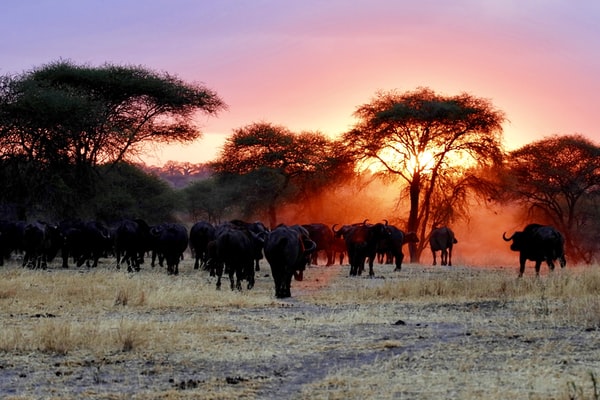
Experiencing the abundance of animals in the world-famous Serengeti on a Tanzania safari is unique. With more than 3000 lions, 7000 elephants, uncounted leopards and tens of thousands of zebras, wildebeests and antelopes, you will find a diversity of animals in the more than 17000 square kilometers of the Serengeti that is hard to beat in Africa. A game drive in the Ngorongoro Crater, Tarangire and Lake Manyara National Park or in one of the many parks in the south of the country such as Ruaha, Mikumi or Selous will be an unforgettable experience for you.
Travel offers Tanzania
-
 ab € 4.590 / Person
Tanzania – National parks in the south
13 Tage 1-8 Tanzania Travel -
 ab € 3.315 / Person
Self-drive – Tanzania’s parks and beaches
14 Tage 1-4 Tanzania Travel -
 ab € 3.550 / Person
Kilimanjaro climb and safari
13 Tage Tansania Reisen -
 ab € 3.780 / Person
Great Migration on the Mara River- 7 days Tanzania
7 Tage Tanzania Travel -
 ab € 2.885 / Person
Group tour 8 days Tanzania Classic
8 Tage Tanzania Travel -
ab € 2.780 / Person
Tanzania Classic – 8 days
8 Tage Tanzania Travel

Why travel with Avali Tours?
- We know accommodation, lodges, hotels and camps from our own experience
- You are traveling with German or English speaking drivers
- We offer you professional advice
- We can customize any trip to your wishes
- You will be traveling with mostly German-speaking guides and drivers
- Vehicle fleet maintained according to German rules
Discover the wonders of East Africa on one trip
A trip to Tanzania can be easily combined with a visit to the other East African countries. We have travel combinations with Uganda, Kenya and Rwanda in our program or will be happy to put together a combination according to your wishes.
The journey continues to Uganda, also known as the “Pearl of Africa”. Here you can experience a variety of wildlife in the Queen Elizabeth and Murchison Falls National Parks. An absolute highlight is gorilla trekking in Bwindi Impenetrable National Park, where you have the chance to observe the imposing silverbacks in their natural habitat.
Enjoy Tanzania better in a country combination with Uganda, Kenya or Rwanda
-
 ab € 5.250 / Person
Combination Kenya and Tanzania
14 Tage 1-6 Tanzania Travel -
 ab € 6.190 / Person
Travel experience East Africa – 13 days Kenya, Tanzania and Uganda
13 Tage 1-6 Kenya Travel -
 ab € 6.220 / Person
Big three-country tour – 14 days Rwanda – Uganda – Tanzania
13 Tage 1-6 Tanzania Travel -
 ab € 6.180 / Person
Combination Uganda and Tanzania
14 Tage 2-6 Uganda Travel
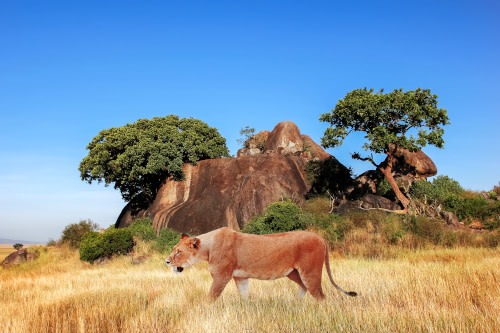
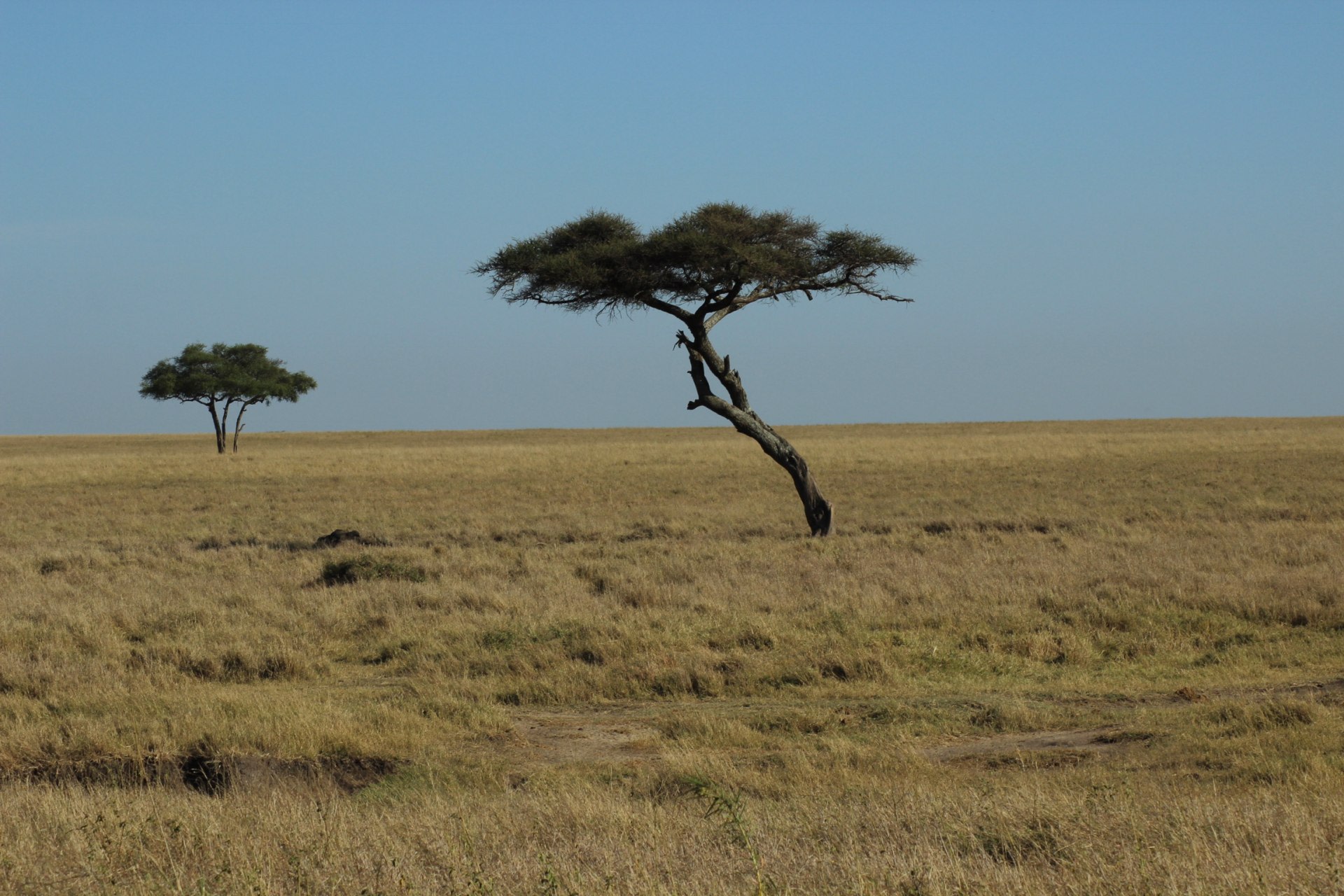

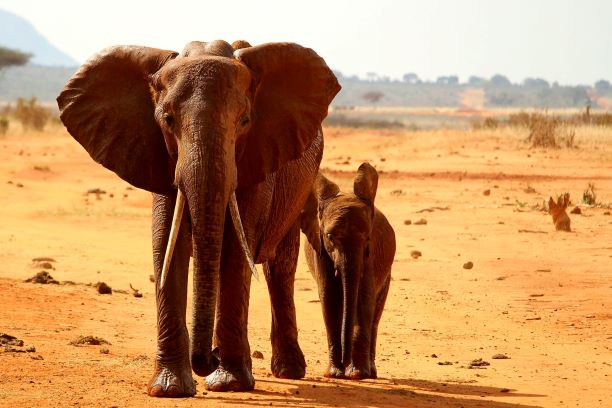
In Kenya , Amboseli National Park, famous for its elephant population, awaits you, or go on a safari through the Maasai Mara to see the “Big Five”. Enjoy the beaches of Mombasa and be inspired by the country’s cultural diversity.
Rwanda is also known as the “land of a thousand hills” – you will understand the explanation for this name as soon as you first see the rolling plateaus that stretch across the horizon in brilliant shades of green. Experience the lively streets of Kigali and the moving memorials of the genocide. Gorilla trekking in the Volcanoes National Park is also an unforgettable experience.
A combination of Tanzania, Uganda, Kenya and Rwanda offers a unique opportunity to experience the diversity and beauty of East Africa on one trip. Feel free to contact us if you already have ideas and wishes. We will be happy to put together a customized trip for you.
Combine safari with Zanzibar’s dream beaches
A beach vacation on Zanzibar rounds off your trip to Tanzania. The vacation paradise in the Indian Ocean offers rest and relaxation after an adventurous safari or an ascent of Mount Kilimanjaro. The island off the east coast of Tanzania can be reached quickly from the mainland and, with its snow-white beaches on the east coast and the large number of lodges and hotels of all categories and the wide range of water sports on offer, is the perfect end to your trip to East Africa.
Safari and swimming
-
 ab € 3.935 / Person
Self-drive – Tanzania’s north and Zanzibar
15 Tage 1-4 Tanzania Travel -
ab € 3.590 / Person
Tanzania trip – 16 days safari and Zanzibar
16 Tage 1-6 Tanzania Travel -
ab € 3.950 / Person
Tanzania’s Serengeti and dream beaches on Zanzibar
12 Tage 1-6 Tanzania Travel
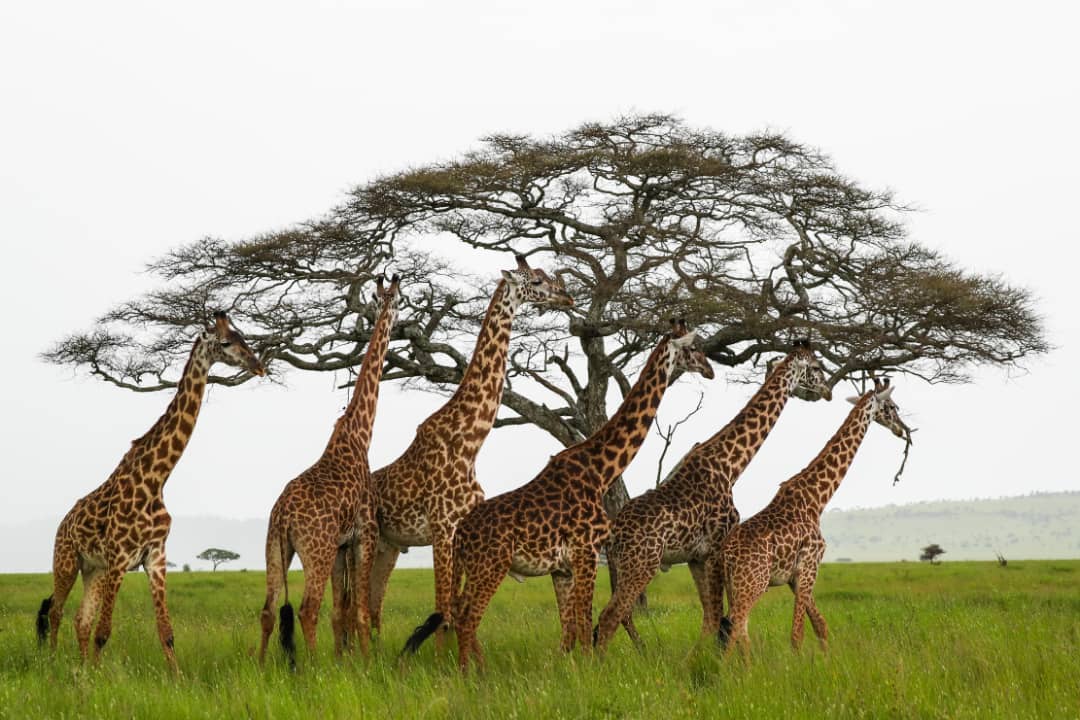

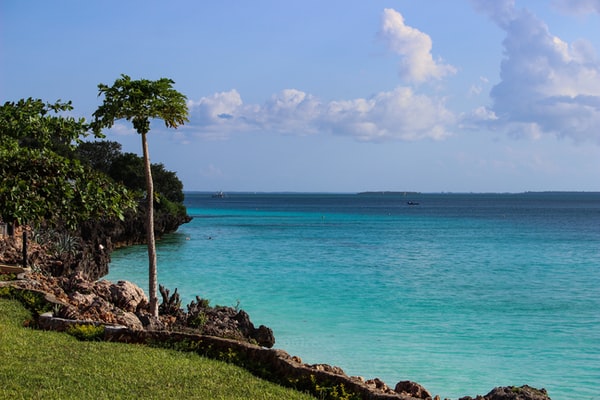
Tanzania – travel to a unique natural paradise
Our trips take us through some of Africa’s most famous wildlife sanctuaries. Start your extraordinary journey through East Africa in Tanzania, with its endless plains, the majestic beauty of Mount Kilimanjaro and the untouched wilderness of the Serengeti. Experience one of the most spectacular natural events in the world with the annual wildebeest migration and be enchanted by the view from the caldera to the Ngorongoro Crater with its diversity of species.
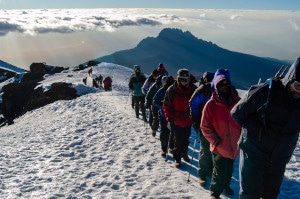
For mountain hikers, atrekking tour on Kilimanjaro or Mount Meru is the crowning glory of their travels. We offer Kili tours on all routes with our own teams, guides, cooks and porters and our perfect equipment. We will be happy to advise you on the advantages and disadvantages of the individual routes.
Highlights Tanzania

Ngorongoro Crater
The full extent of the Ngorongoro Crater can only be appreciated at the top of the crater rim at an altitude of 2300 m. With a diameter of 17 to 21 km, the volcanic crater, which collapsed around two million years ago, is home to the area with the highest density of predators in Africa. In close proximity to the Serengeti, it is home to leopards, lions, hyenas, zebras and wildebeests. Hippos, which appreciate the water-rich soil of the national park, and some rhinos can also be observed. On our game drives through the national park, you don’t have to wait long to spot one of the big wild animals. Ngrorongoro means “the big hole” in the Maasai language – after a visit you will know that this expression is actually an understatement for the truly magical scenery in the middle of the green caldera.
Serengeti National Park
Experience the legend of the Serengeti up close. The dream safari naturally also includes the BIG FIVE (elephant, rhino, buffalo, lion and leopard), which you will most likely be able to observe and photograph on a game drive through the wonderful landscapes. Ernest Hemingway once said that it was “a country to wake up happy because you had dreamed of it”. In an area roughly the size of Schleswig-Holstein, one wonderful panorama follows the next: umbrella acacias in the middle of the savannah landscape, gleaming waterholes in front of green rolling hills – the silhouettes of zebras and wildebeest can be seen on the horizon. Endless expanses full of dreamlike impressions that make the heart of Africa beat faster.


Tarangire National Park
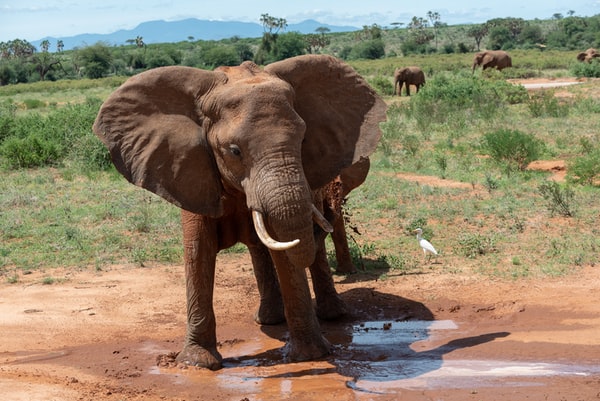
Hills, savannah landscapes and swamps characterize the scenery of Tarangire National Park in the north of Tanzania – in addition to plains with picturesque baobabs and umbrella acacias. The park is named after the Tarangire River, which flows through the area from south to north. The park is home to many herds of elephants, giraffes, zebras and wildebeests – but lions and other predators can also be observed here. The elephants in particular appreciate the supply of water in the park. Next to the river are the Silale Swamps – an oasis-like landscape with lots of green grass that attracts other species as well as the pachyderms. Tarangire National Park is the best proof that it doesn’t always have to be the Serengeti – unless you really want to experience the BIG 5.
Further highlights of our Tanzania trips
Lake Manyara National Park
Ruaha National Park
Mikumi National Park
Selous Game Reserve
Mount Meru trekking tour
Kilimanjaro ascent
Beach extension on Zanzibar
Great migration in the Serengeti
Wildebeest herds at the Mara River
Adventurous game drives
The Big 5 in the parks
Elephant herds in Tarangire National Park
Extensive game drives in the Serengeti National Park
Lake Eyasi
Usambara Mountains
Travel information & useful information
Wann ist die beste Reisezeit für eine Safari in Tansania
Tanzania is a year-round destination. The dry months from June to October are ideal for safaris, when the wildlife congregates at waterholes and rivers. If you want to climb Kilimanjaro, the months from December to February and from July to September are ideal. The paradisiacal beaches of Zanzibar are inviting all year round, although the hottest months are from December to March.
Klimatabelle und Wetter
Tanzania, located in the tropical zone of East Africa, offers a diverse climate that is influenced by the country’s geographical and topographical conditions. There are two main seasons: the dry season, which lasts from June to October, and the rainy season, which is divided into the “short rains” and the “long rains” from November to May. During the dry season, the weather is mostly sunny and dry, ideal for game viewing and mountain climbing. During the rainy season, the climate is wetter and warmer, making the landscape a lush green. It should be noted that the climate in the higher areas, such as Kilimanjaro or the Usambara Mountains, can be cooler and more changeable.
| January | february | March | April | May | June | July | august | September | october | november | December | |
| Average daily temperature in °C | 25,2 | 25,9 | 25,6 | 24,0 | 22,1 | 20,5 | 19,9 | 20,6 | 22,3 | 24,2 | 24,7 | 25,0 |
| Precipitation per month in mm | 48 | 23 | 111 | 271 | 112 | 23 | 15 | 10 | 12 | 31 | 87 | 65 |
Einreise
If you are a German citizen, you will need a valid passport to enter Tanzania, as well as an eVisa, which is best applied for directly online.
Geld & Währung
Your travel kit should definitely include US dollars, which are accepted as a means of payment in almost all areas. The Tanzanian Shilling (TsH) can be exchanged locally (for USD or Euro). ATM withdrawals are possible with EC cards with the Maestro symbol and with major credit cards. If you are unsure whether your EC card will also work in other African countries, it is best to contact your financial institution beforehand. Payment by credit card is not very common in Tanzania and is only possible in large hotels and restaurants.
Gesund reisen
There are no mandatory vaccinations for entry from Germany to mainland Tanzania. Please note the different regulations for Zanzibar: If you are traveling from a yellow fever area, you must provide proof of yellow fever vaccination to enter Zanzibar – exception: the stay in a yellow fever-endemic area was less than 12 hours (or transit).
The standard vaccinations according to the recommendations of the Robert Koch Institute are recommended, as well as exposure prophylaxis to protect you against malaria and dengue fever. It is best to speak to a specialist in tropical medicine or consult your family doctor when planning your trip.
For daily updated information, please read the information from the Federal Foreign Office
Ortszeit
During European summer time, Tanzania is one hour ahead of us. In European winter time (CET) it is +2 hours.
Sprache & Kultur
Tanzania is a country rich in cultural diversity and linguistic versatility. With over 120 ethnic groups, it is a melting pot of different cultures and traditions. The dominant language is Swahili, which is spoken by almost all Tanzanians and serves as a bridge between the different ethnic groups. English is also widely understood and is the second official language. Tanzanian culture is characterized by a lively mixture of African, Arabic and European influences. Music and dance play a central role, with dance forms such as the traditional Ngoma and the modern Bongo Flava being particularly popular. Handicrafts, especially wood carving and batik, are widespread and can be bought at many markets. The people of Tanzania are known for their hospitality and friendliness. The concept of “Ujamaa” (translated as family spirit, village community) is deeply rooted and emphasizes the importance of community and cohesion.
Essen und Trinken
A typical Swahili dish consists of “ugali” (maize porridge) or rice, with hearty meat or fish and vegetables. Cumin, coriander, cinnamon and other exotic spices create intense aromas and colorful dishes. “Mishkaki” are also often offered at the snack bar. These marinated and grilled meat skewers are a real treat. Let yourself be inspired by the street food with European and African influences and try a “Chai Maziwa” (tea with milk and sugar) as well as a Kilimanjaro or Safari Lager. Please note that it is not permitted to drink alcohol on the street in Tanzania.
Another note on drinking water: Water from the tap should be boiled before use. However, bottled water is available almost everywhere.
Welche Kleidung und Ausrüstung sind für Tansania empfehlenswert?
A packing list for Tanzania could look like this:
- Neutral colored clothing: For safaris, colors such as khaki, brown or green are best as they blend in well with the natural environment.
- Long-sleeved shirts and long pants: these help to protect you from sunburn and insect bites.
- Lightweight, breathable clothing: As Tanzania has a tropical climate, clothing made of cotton or linen is ideal.
- Swimwear: For visiting the beautiful beaches of Zanzibar or the pool at your lodge.
- Sturdy hiking boots: these are essential if you are planning to go hiking
- A warm jacket or sweater for cooler nights
- Rain jacket or poncho: Especially important if you are traveling during the rainy season.
- Sunscreen with a high sun protection factor for the skin as well as a sun hat and sunglasses.
- Insect repellent: To protect yourself from mosquitoes and other insects.
- Binoculars: A must for safaris to observe wildlife from a safe distance.
- Headlamp or flashlight: Useful for early morning or late evening safaris, or when staying at campsites.
- Reusable water bottle: It is important to stay hydrated during your trip. Many lodges and camps offer filtered water for refilling.
- A lightweight backpack: For day trips or hikes.
Wie viel Trinkgeld ist in Tansania üblich?
Tipping is an important part of the income of many people in Tanzania. For safari guides and drivers, the usual tip is between 10 and 20 US dollars per day, depending on the quality of service. However, it is important to note that tipping is always voluntary and that we as tour operators ensure fair remuneration.
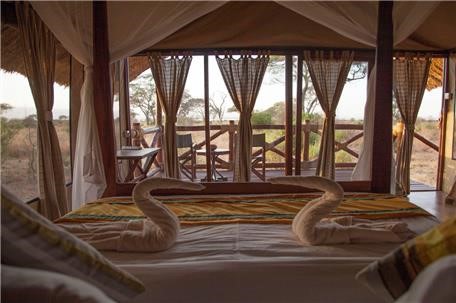
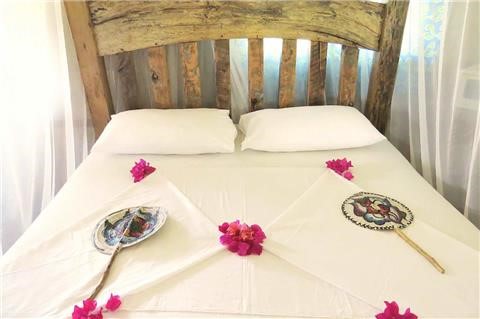
Where you stay – our lodges
What is the best way to discover Tanzania?
Als Selbstfahrer mit vorgebuchten Lodges
For those who appreciate the freedom of self-drive travel, Tanzania offers a wide range of options. Our pre-planned itineraries can be adapted to your individual wishes and the pre-booked lodges offer you maximum comfort. Simply find your own travel rhythm with a rental car. It doesn’t matter whether you are an early riser or a night owl. You decide when it starts. Experience the spectacular scenery at your own pace and also enjoy a touch of adventure when you’re out and about. You can look forward to many pleasant encounters and conversations along the way and immersing yourself in the local culture and way of life.
Auf Rundreise in einer Kleingruppe
Combine your love of discovery with the pleasure of company on a shared tour with like-minded people. Experience the wonders of Tanzania in a friendly group, accompanied by an experienced guide who will introduce you to the fascinating facets of Tanzanian culture, history and wildlife and, of course, knows many locals along the way. Enjoy special safari experiences and laugh at the same anecdotes that our guides have in their luggage. In the evening at the lodge there is either time for a nice chat or everyone retires to reflect on the day. Perhaps even new friendships will develop from these unique memories. The size of our groups is limited to 8 people, offering you a truly personalized experience. We don’t just drive from photo stop to photo stop, but want to give you valuable insights.
Als Safari mit Strandverlängerung auf Sansibar
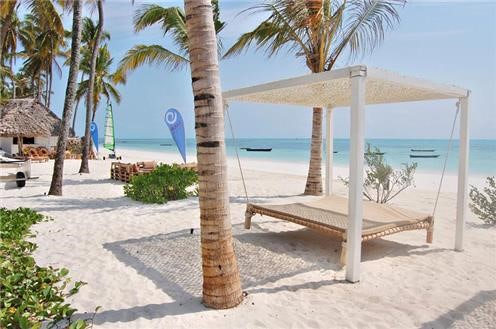
Safari first and then relax? Both are possible in Tanzania. First immerse yourself in the rugged, untouched wilderness of Tanzania’s national parks and enjoy the wildlife on game drives. Watch lions hunting in the savannah of the Serengeti, elephants cavorting on the banks of the Tarangire River and the breathtaking sight of thousands of flamingos at Lake Manyara. After these experiences, swap your dusty safari boots for flip-flops and move from the interior to the coast. A domestic flight takes you to paradisiacal Zanzibar in around 30 minutes, where you can relax and unwind. The palm-fringed, white sandy beaches, the warm, turquoise waters and the fascinating Swahili culture invite you to relax and explore. Explore the historic Stone Town and let yourself be enchanted by the serenity of the island’s dream beaches. A combination that combines the adventure of the wilderness with the sensual tranquillity of tropical beaches.
Auf einer Privatreise mit eigenem Fahrer
Your driver is not only your personal chauffeur who will take you safely and comfortably from place to place. He is also an experienced guide who is very familiar with the local environment and customs and has in-depth knowledge of the country’s wildlife, history and development. Experience the hidden treasures of Tanzania and enjoy lots of insider tips. Because your guide knows the best places for a tasty snack in the snack bar and the most beautiful spots for a photo stop. The guide can also cater to your individual wishes and needs, be it a spontaneous stop for a picnic or tracking down specific animals during a safari.
